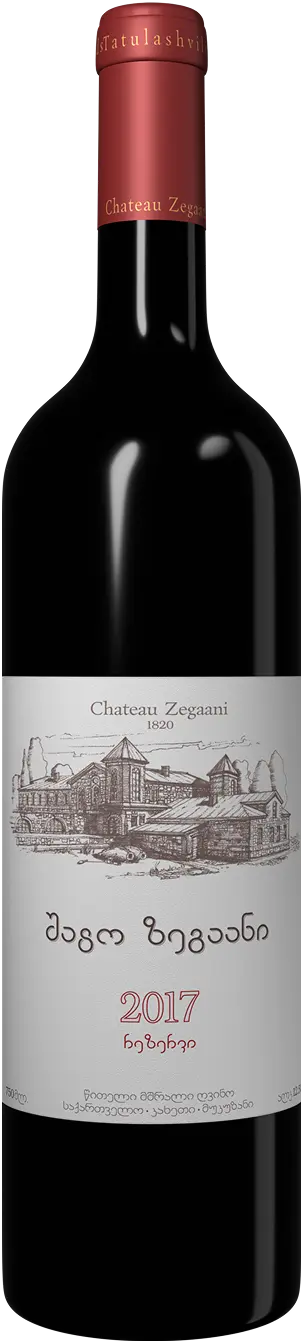
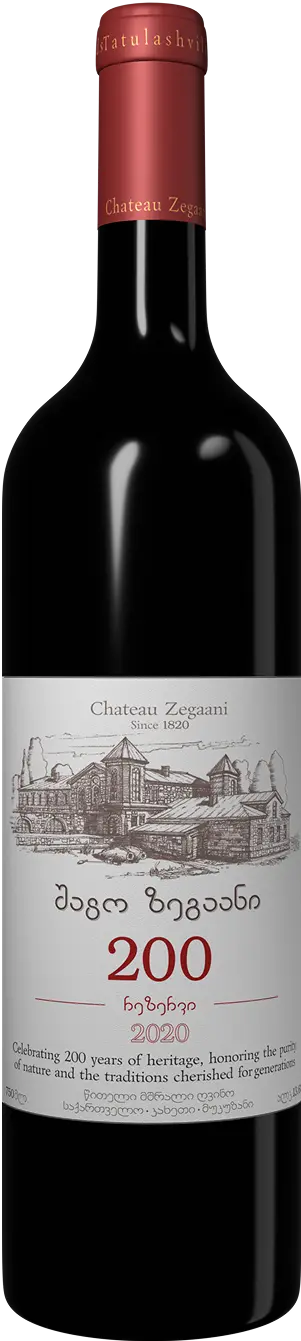
Our wine originates in vineyards spreading across the northern slopes of the Caucasus Mountains. 
Their location ensures natural ventilation and prevents moisture accumulation, creating optimal conditions for the healthy growth of vines.

We cultivate a single grape variety — the indigenous Georgian Saperavi. To support our vineyards, we exclusively use natural materials: sturdy oak and acacia stakes, and we gently tie the vines with soft cornstalk fibers to avoid damaging the delicate shoots.

Every step of vine care — from spring pruning and leaf thinning to autumn harvesting — is performed entirely by hand, faithfully following the centuries-old Georgian winemaking traditions.
Wine 3

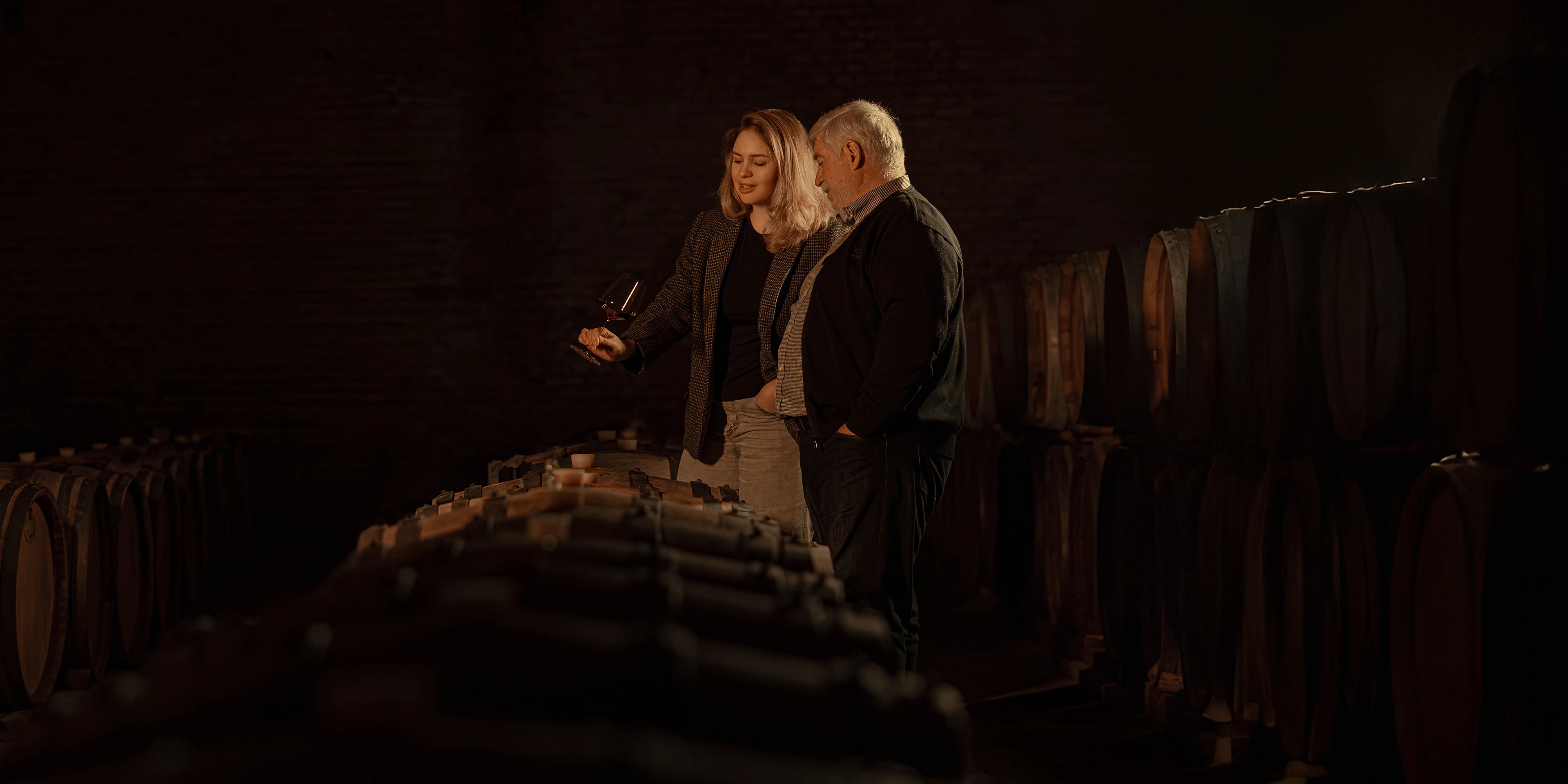
Harvesting begins in September, when Saperavi grapes reach a perfect balance of acidity and richness of flavor. Our experienced vineyard workers determine the ideal moment for picking by examining the color of the grape skins and the firmness of the pulp.
4625 2x
Winemaking 005

The vineyards’ proximity to the chateau enables us to deliver the harvest quickly, preserving its freshness and purity of flavor.
3992 2x
4074 2 Desk

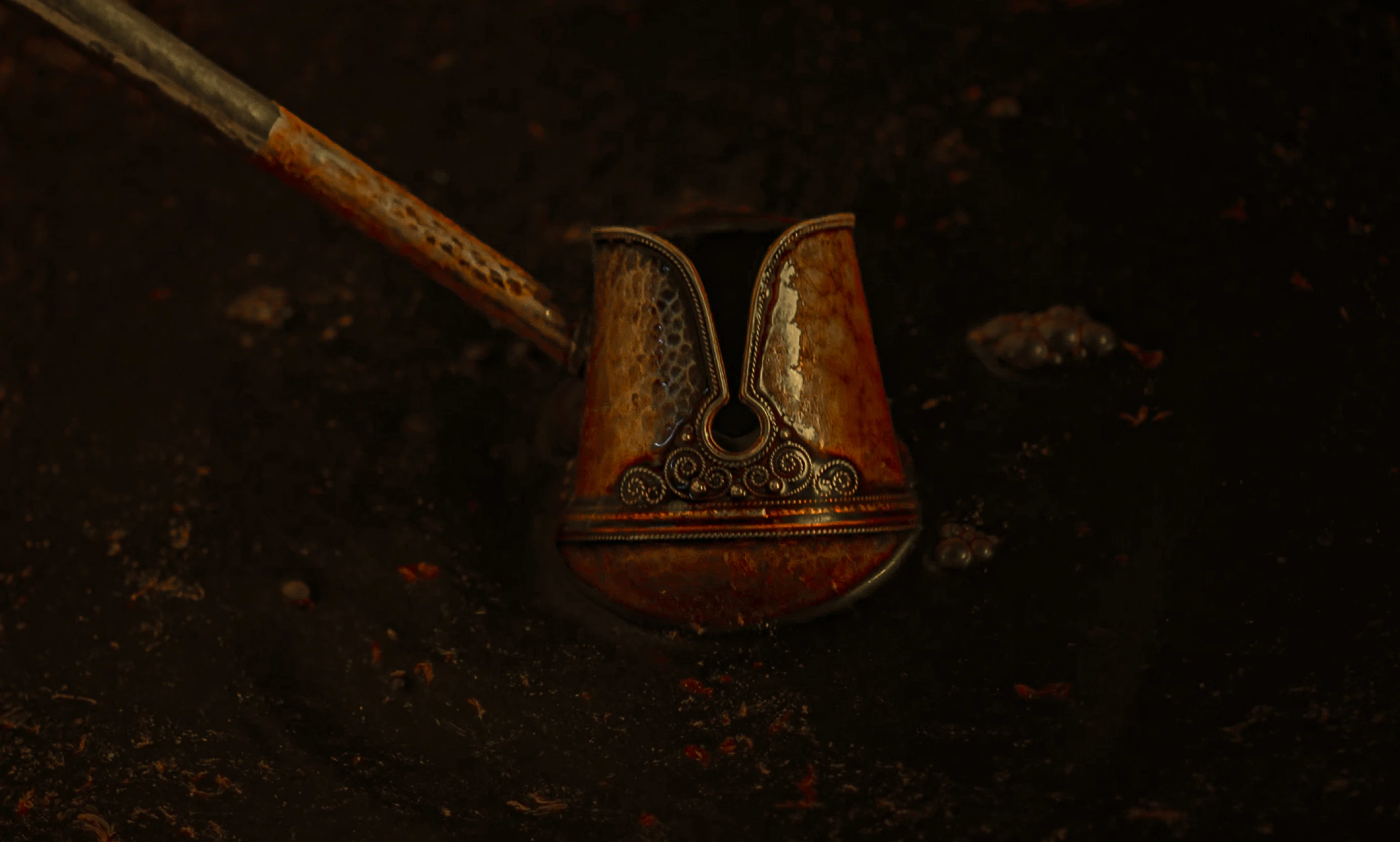
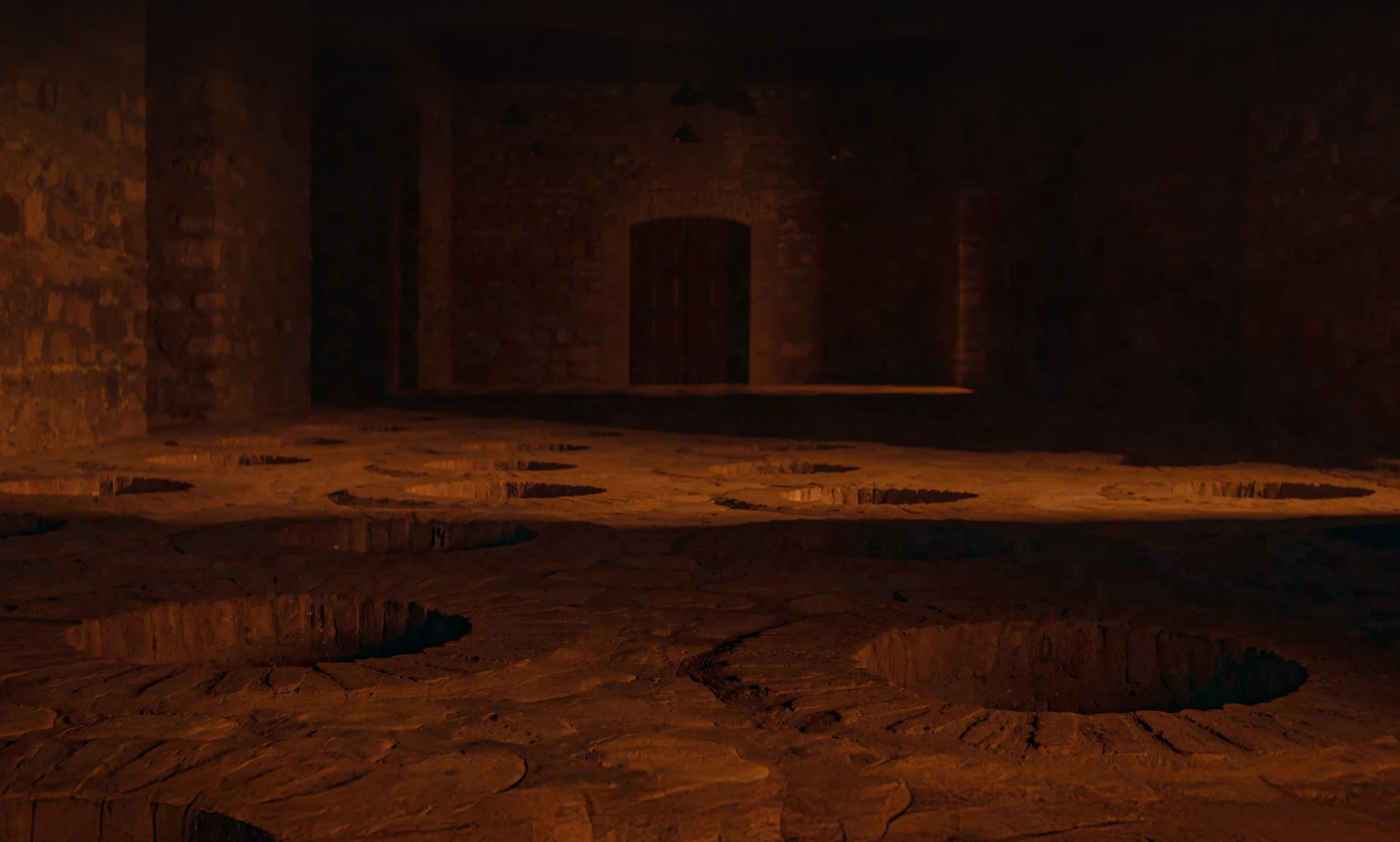
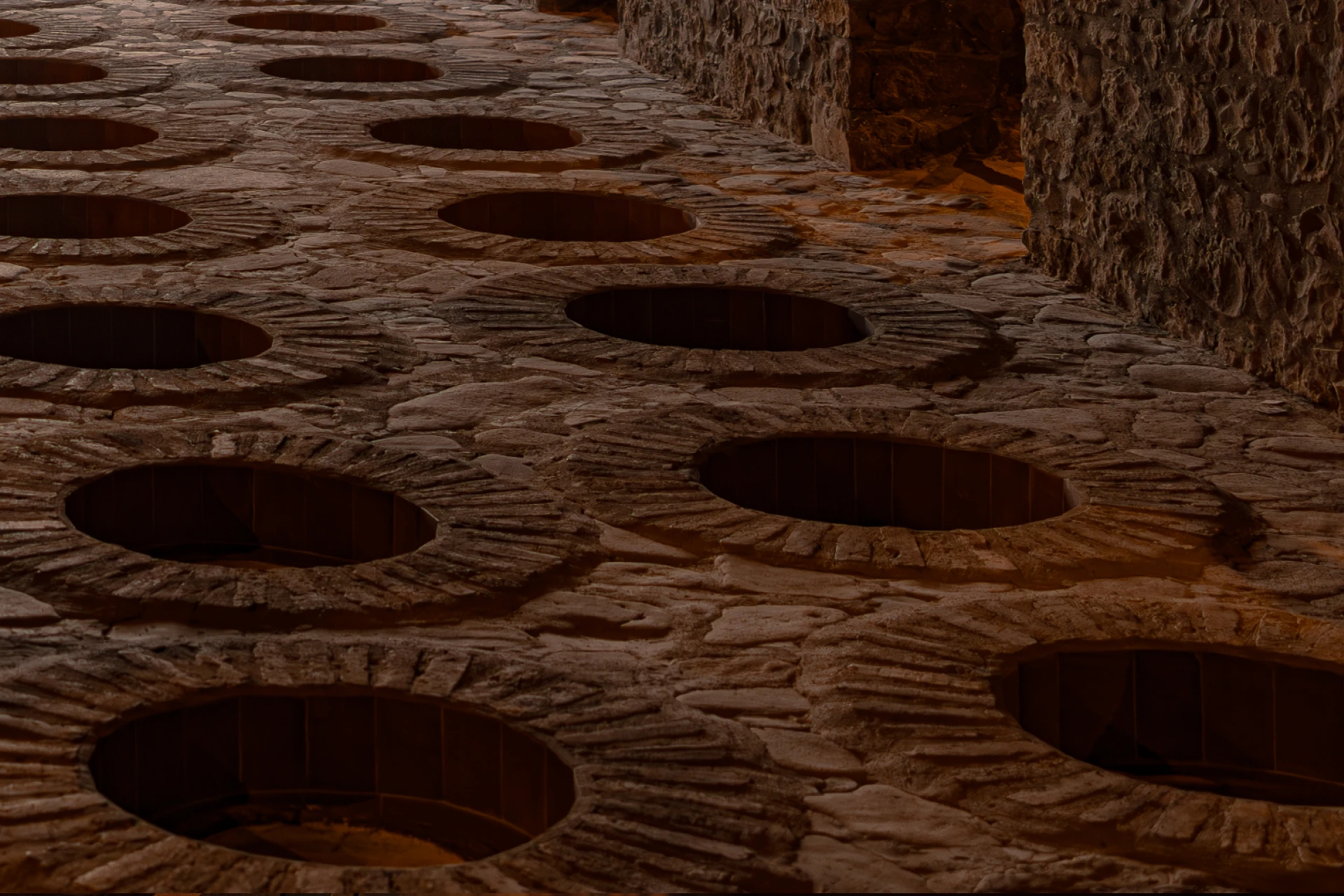
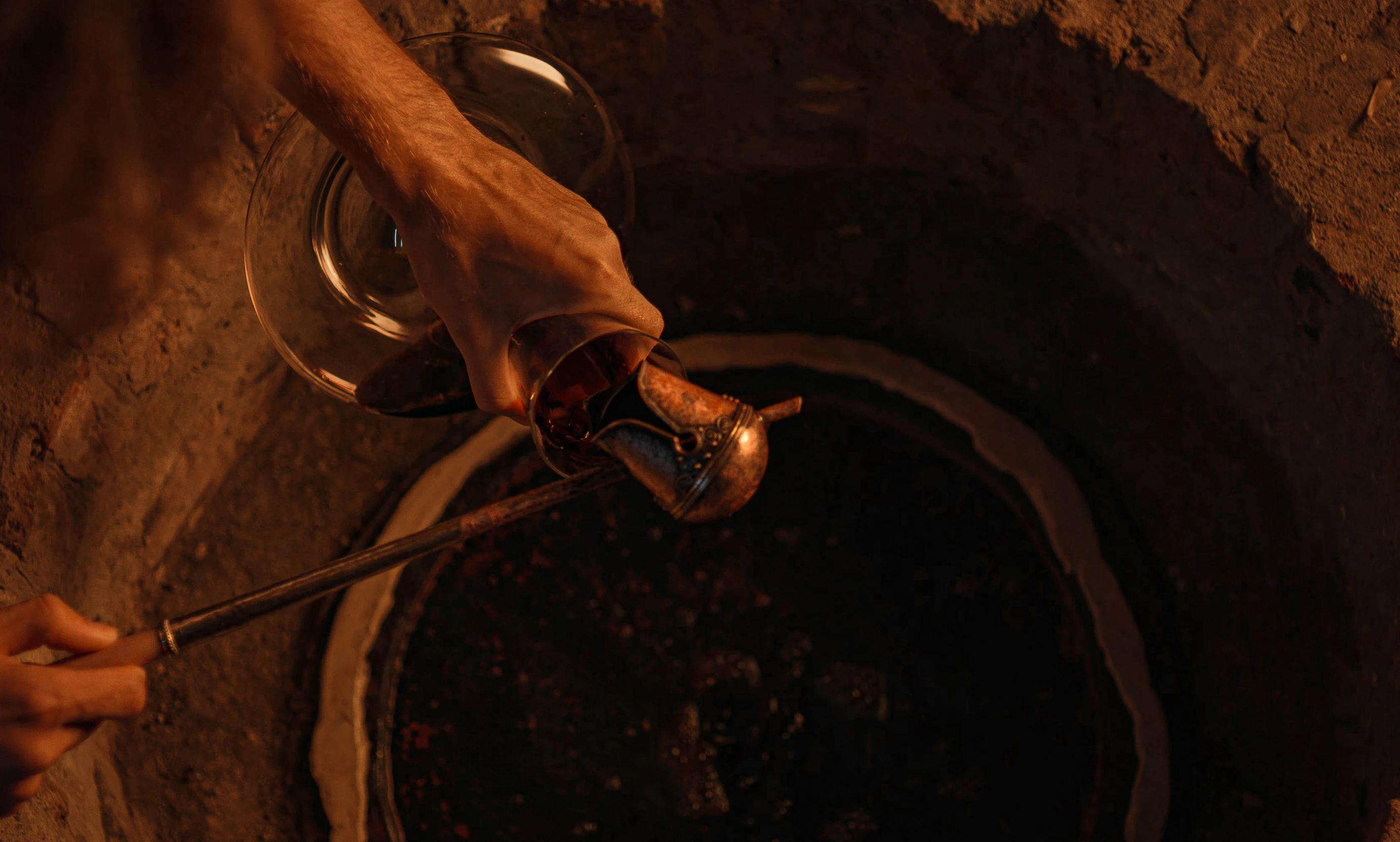
Our wine is crafted as it was centuries ago — fermentation occurs in traditional clay qvevri buried underground. This ancient technique not only reveals the authentic taste of the terroir but also naturally regulates temperature: the earth maintains a stable fermentation environment, allowing the wine to mature gradually.
4338 4x

We produce organic wines exactly as nature intended: without preservatives, filtration, or added sulfur.
4055 2x
Winemaking 011

This approach gives our wines excellent aging potential — they remain exceptional for more than 20 years, steadily revealing their natural depth of flavor over time.
4376 2x

Chateau Zegaani our technologies

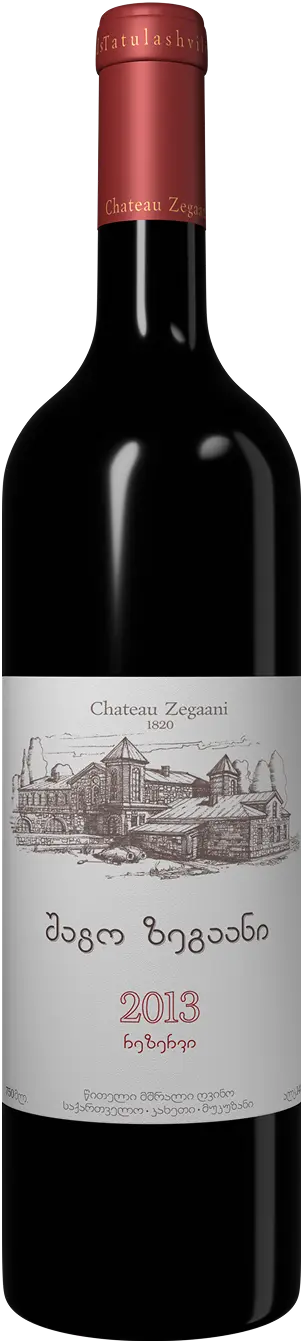
  • Zegaani
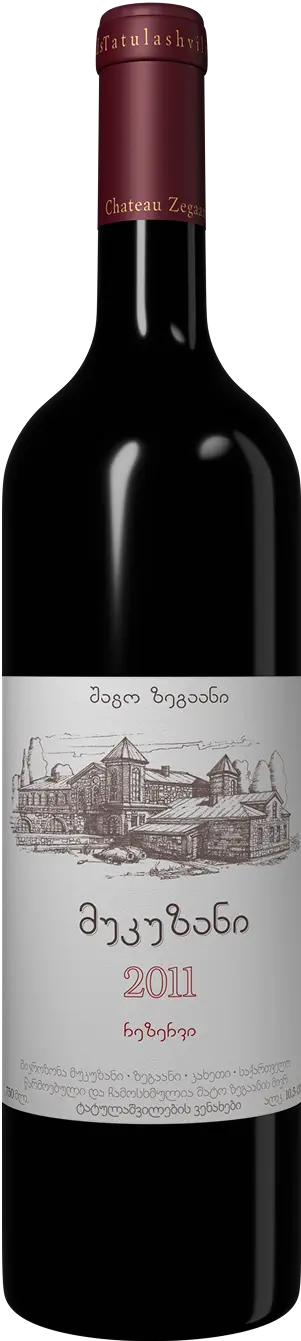
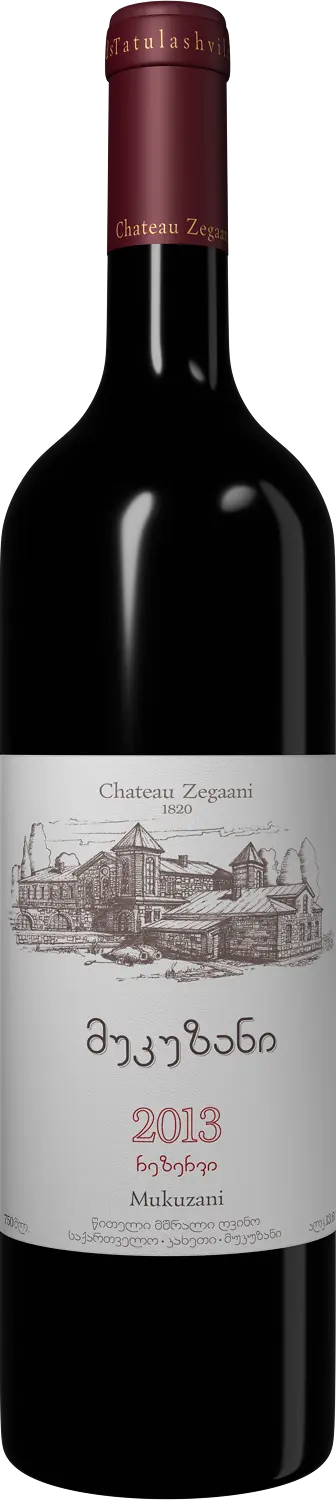
  • Mukuzani
Grapes are harvested early in the morning, before the day’s heat, preserving acidity and freshness. After delivery to the winery, clusters undergo manual sorting, and ripe berries are separated from stems. The grapes are then placed into traditional clay vessels called qvevri, initiating fermentation.
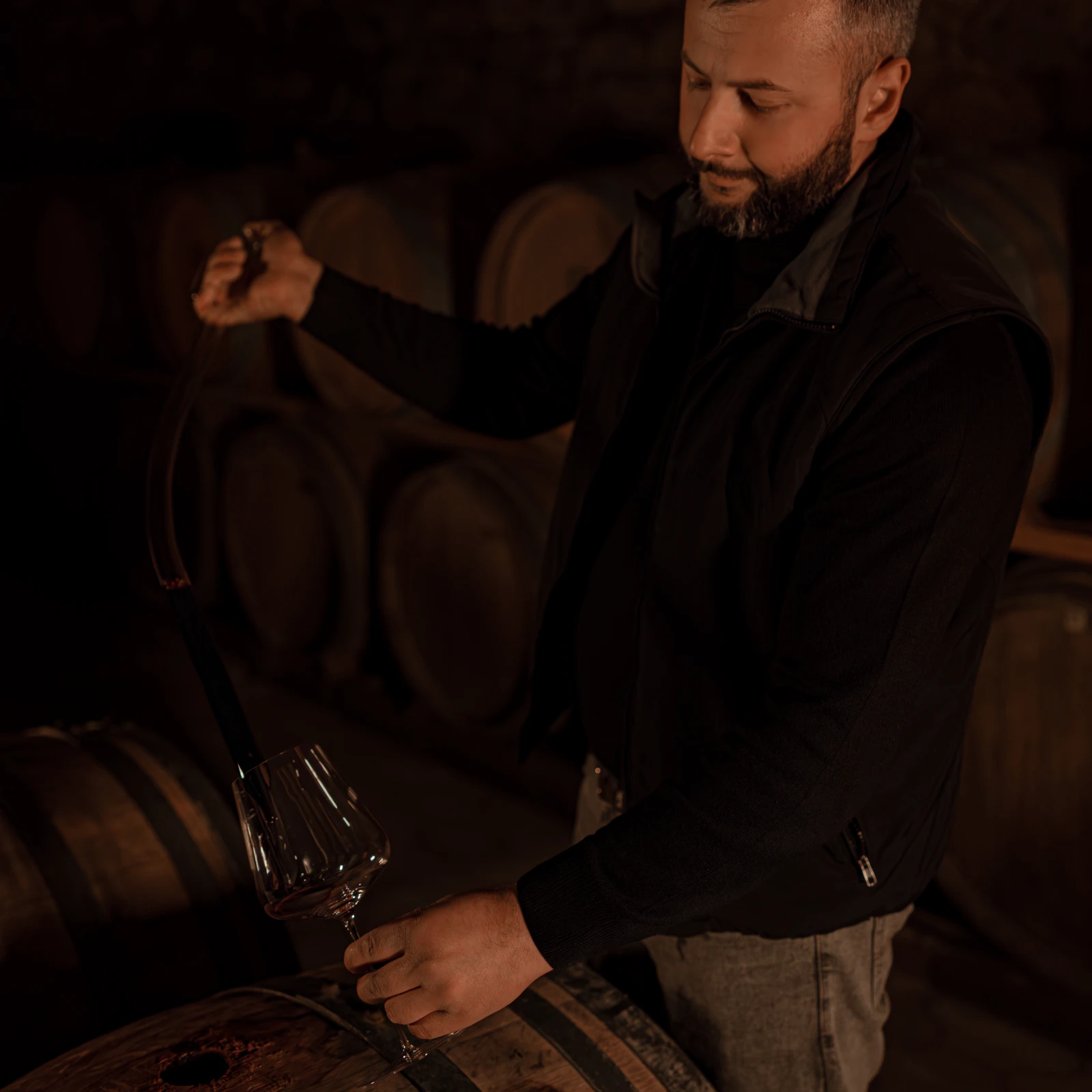
Fermentation in qvevri lasts between 10 and 14 days. During this period, the juice interacts with the grape skins, gradually revealing the wine’s color, aroma, and flavor structure. Upon completion of fermentation, wines are separated from skins. A portion is transferred to other qvevri for further maturation — these become the future Zegaani wines. The remainder is aged in oak barrels to create Mukuzani-style wines.
The maturation in qvevri can last up to two years. Clay vessels buried underground ensure stable temperatures and gentle micro-oxygenation. The conical shape of the qvevri encourages sediment to settle at the bottom, minimizing contact with wine and preserving the purity of flavor and aroma. The 2020 harvest was an exception, maturing in qvevri for four years.
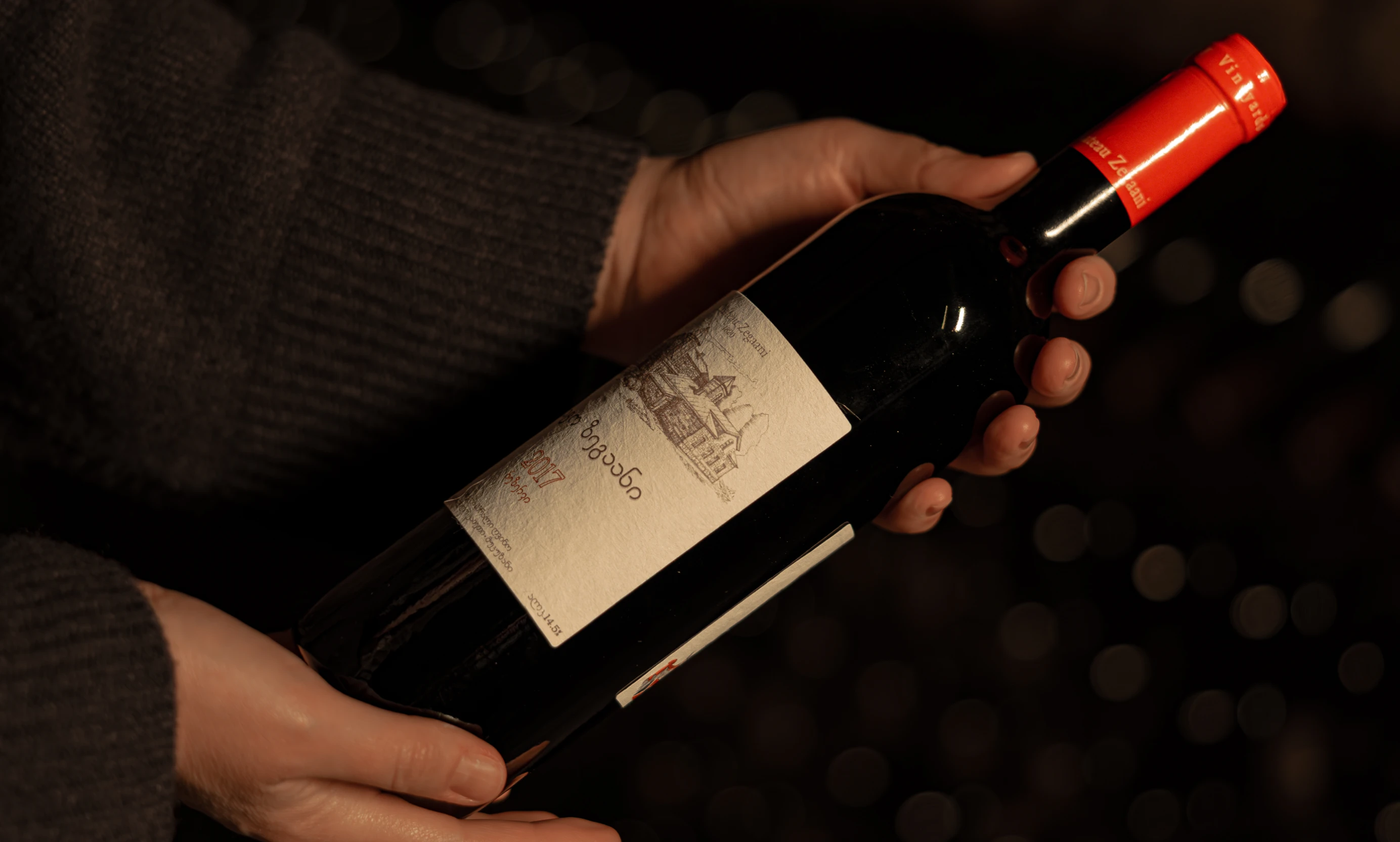
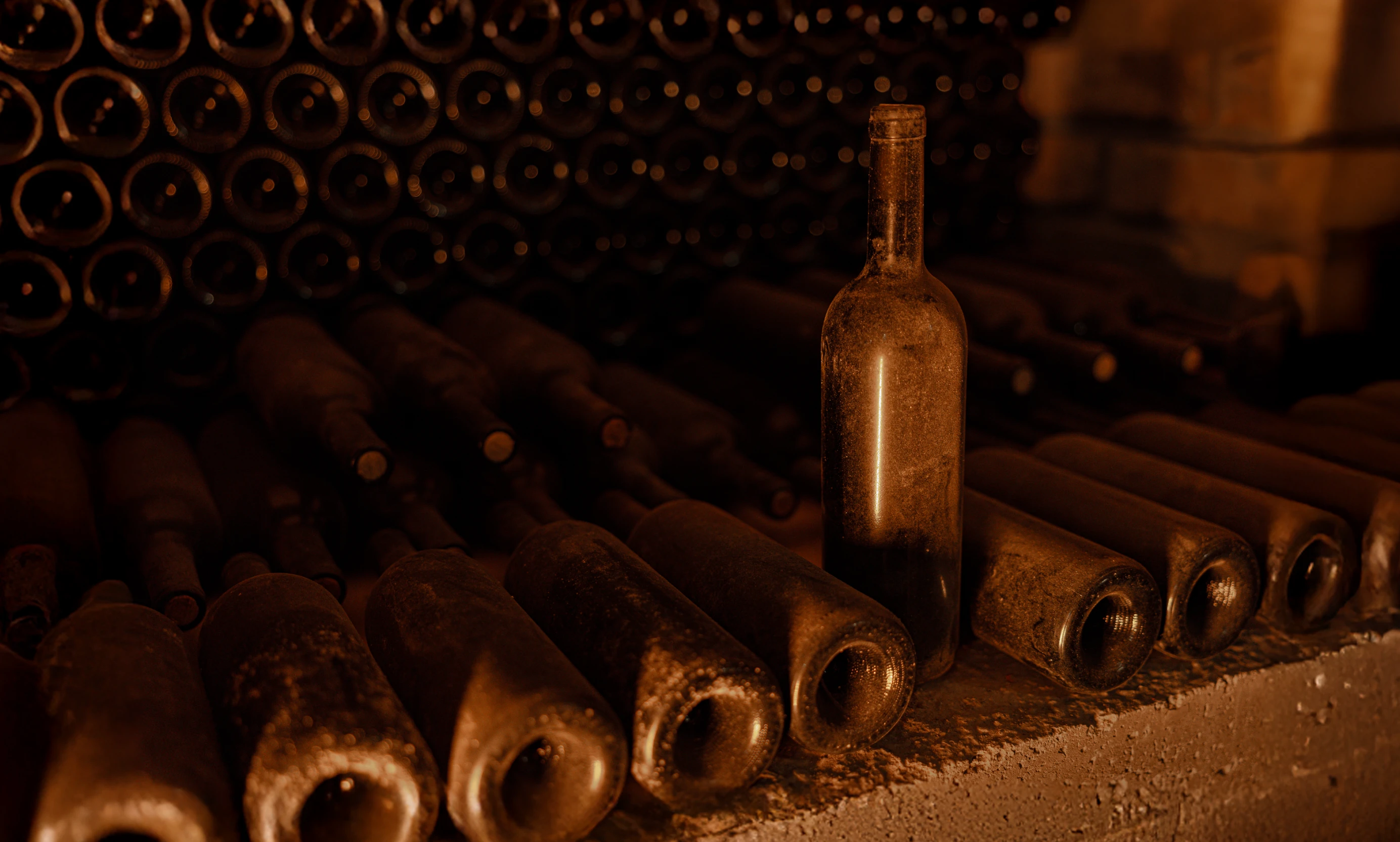
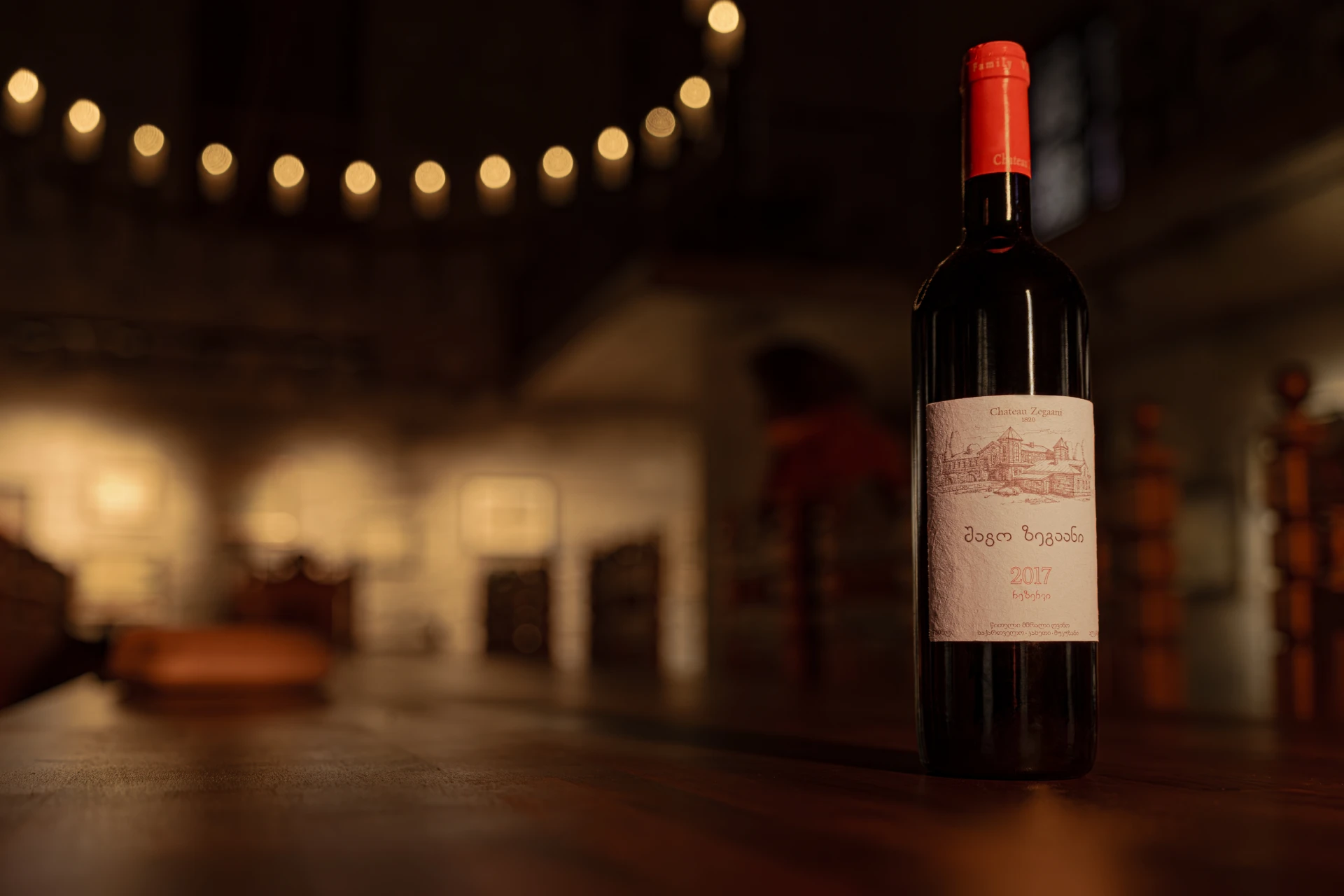
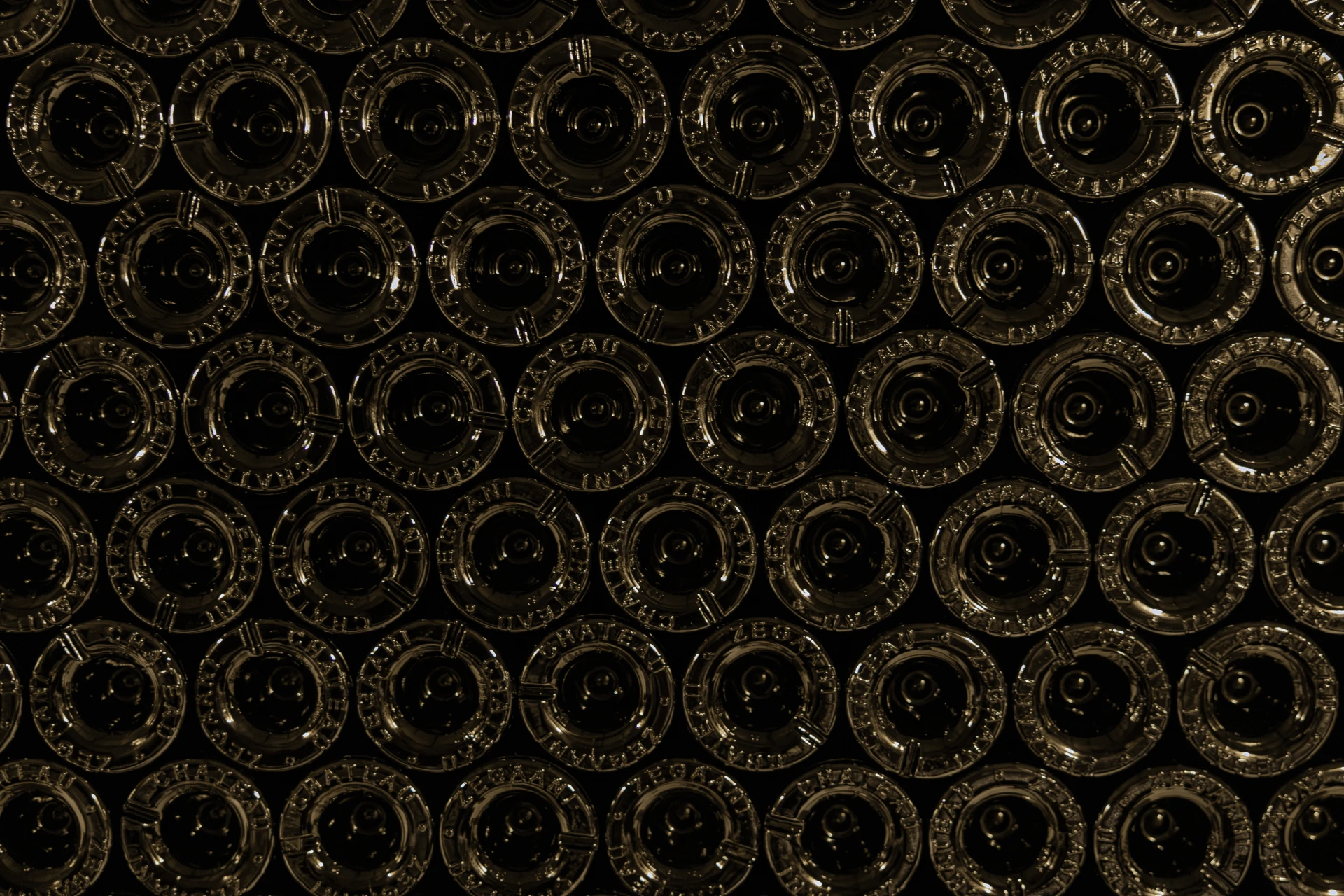
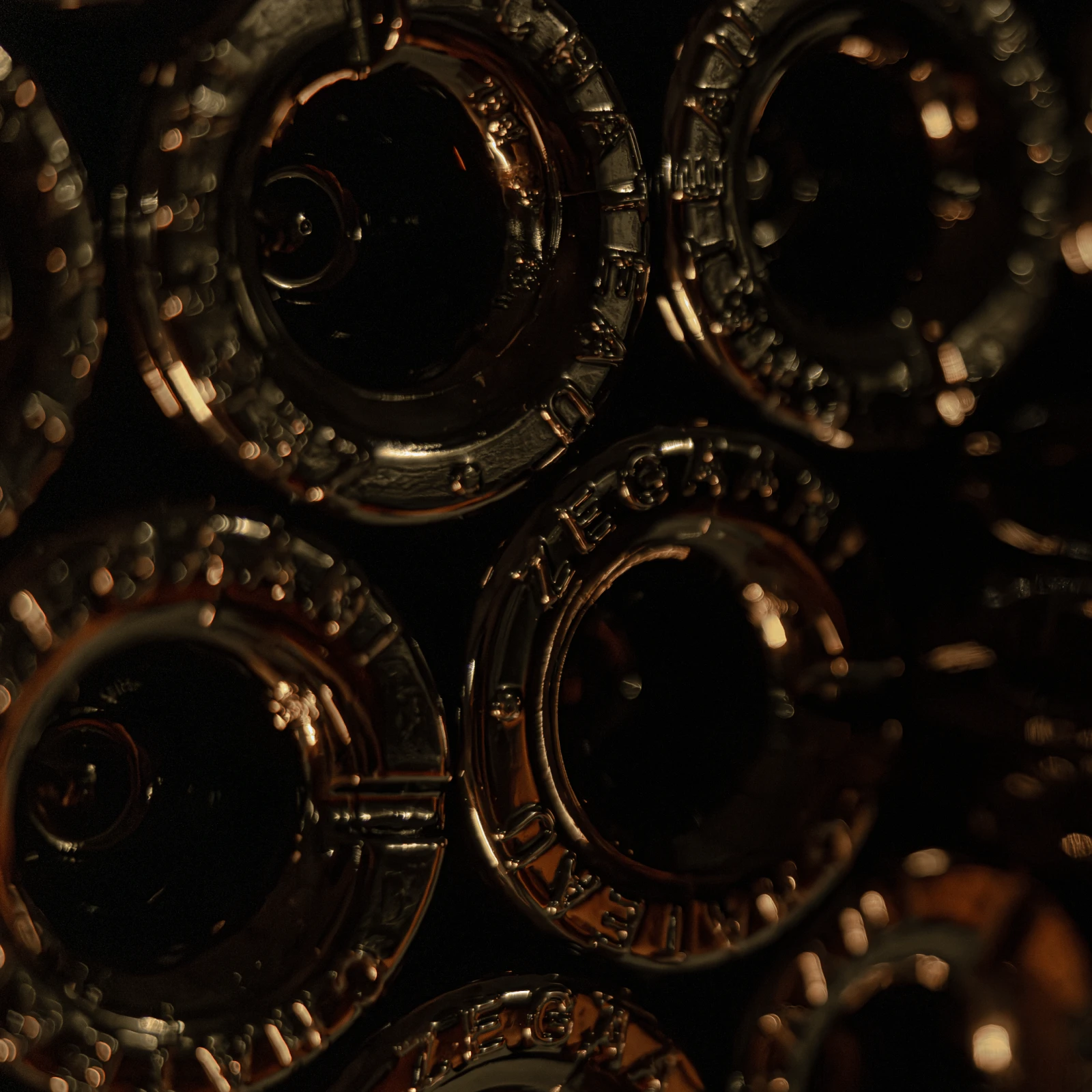
Before leaving the cellar, wines spend at least six months aging in bottles — an essential initial period allowing stabilization after bottling and softening of flavor. Over time, the wine continues evolving, acquiring greater depth of flavor and aroma.
Timeline 1 Desk
Grapes are harvested early in the morning, before the day’s heat, preserving acidity and freshness. After delivery to the winery, clusters undergo manual sorting, and ripe berries are separated from stems. The grapes are then placed into traditional clay vessels called qvevri, initiating fermentation.
T002 4x
Fermentation in qvevri lasts between 10 and 14 days. During this period, the juice interacts with the grape skins, gradually revealing the wine’s color, aroma, and flavor structure. Upon completion of fermentation, wines are separated from skins. A portion is transferred to other qvevri for further maturation — these become the future Zegaani wines. The remainder is aged in oak barrels to create Mukuzani-style wines.
T003 4x
The maturation in qvevri can last up to two years. Clay vessels buried underground ensure stable temperatures and gentle micro-oxygenation. The conical shape of the qvevri encourages sediment to settle at the bottom, minimizing contact with wine and preserving the purity of flavor and aroma. The 2020 harvest was an exception, maturing in qvevri for four years.
T004
Before leaving the cellar, wines spend at least six months aging in bottles — an essential initial period allowing stabilization after bottling and softening of flavor. Over time, the wine continues evolving, acquiring greater depth of flavor and aroma.
SEPTEMBER
Harvest
20 DAYS
Fermentation
2+ YEARS
Aging in Qvevri

Final Bottle Aging
Grapes are harvested early in the morning, before the day’s heat, preserving acidity and freshness. After delivery to the winery, clusters undergo manual sorting, and ripe berries are separated from stems. The grapes are then placed into traditional clay vessels called qvevri, initiating fermentation. 
Fermentation in qvevri lasts between 10 and 14 days. During this period, the juice interacts with the grape skins, gradually revealing the wine’s color, aroma, and flavor structure. Upon completion of fermentation, wines are separated from skins. A portion is transferred to other qvevri for further maturation — these become the future Zegaani wines. The remainder is aged in oak barrels to create Mukuzani-style wines.
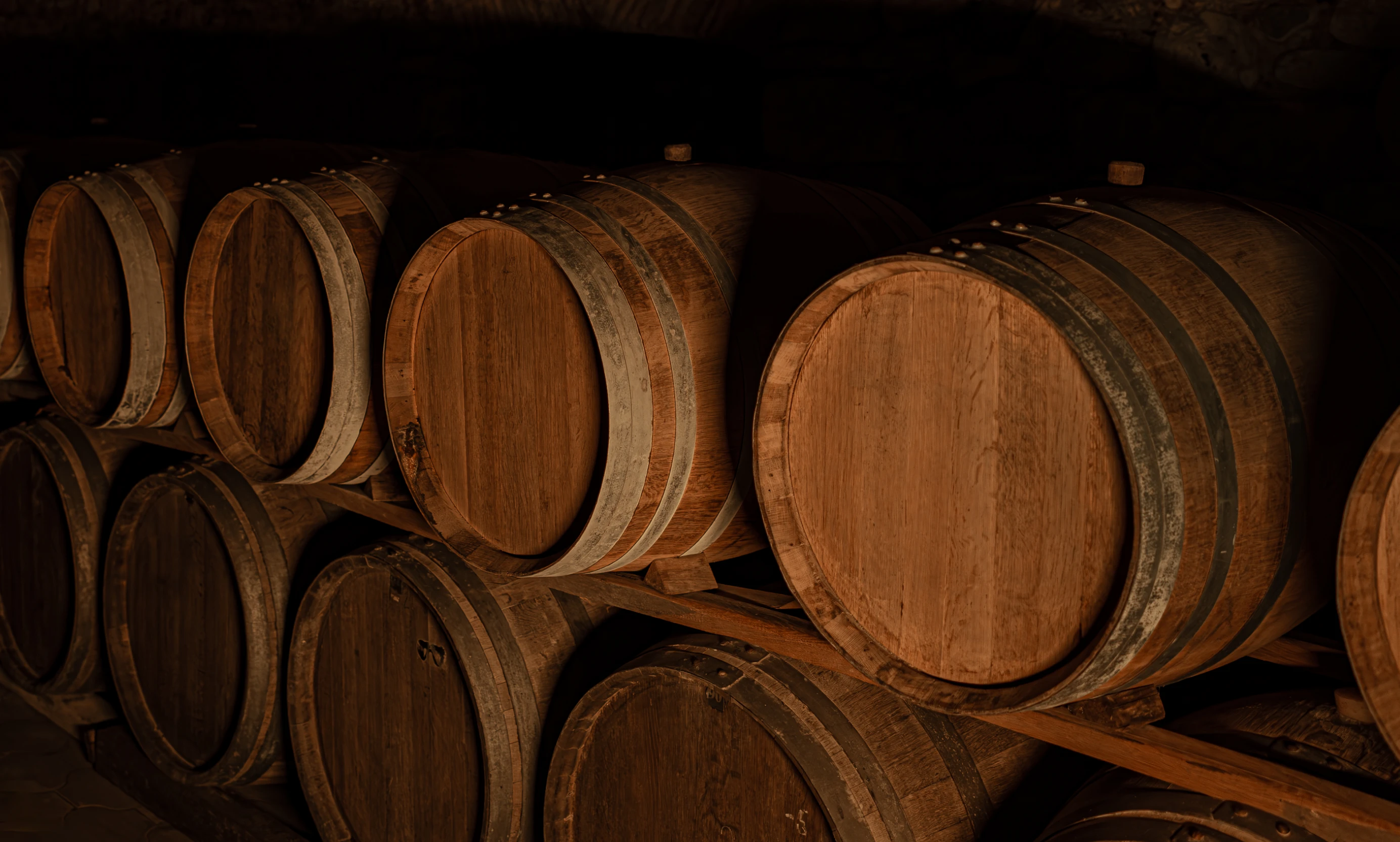
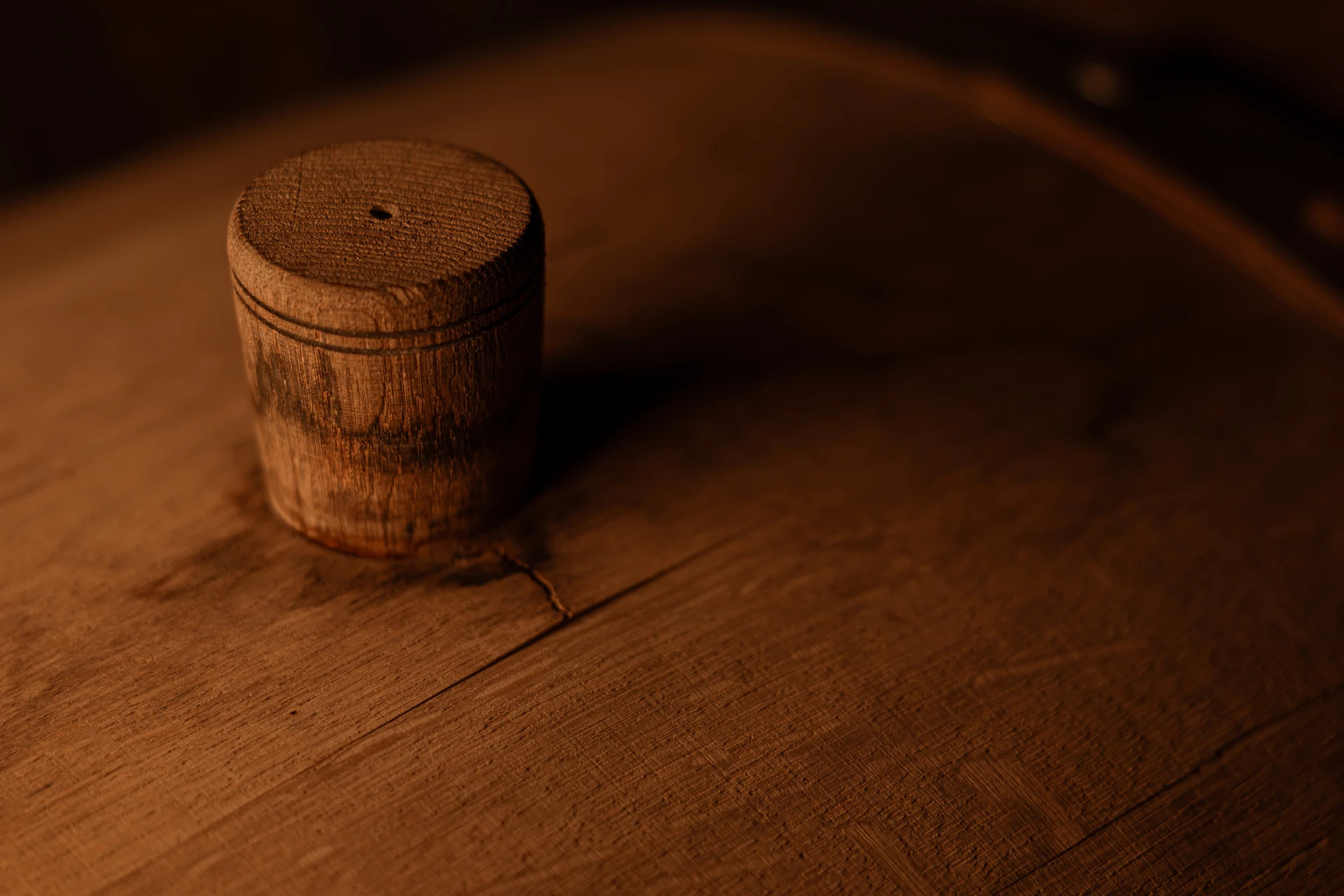
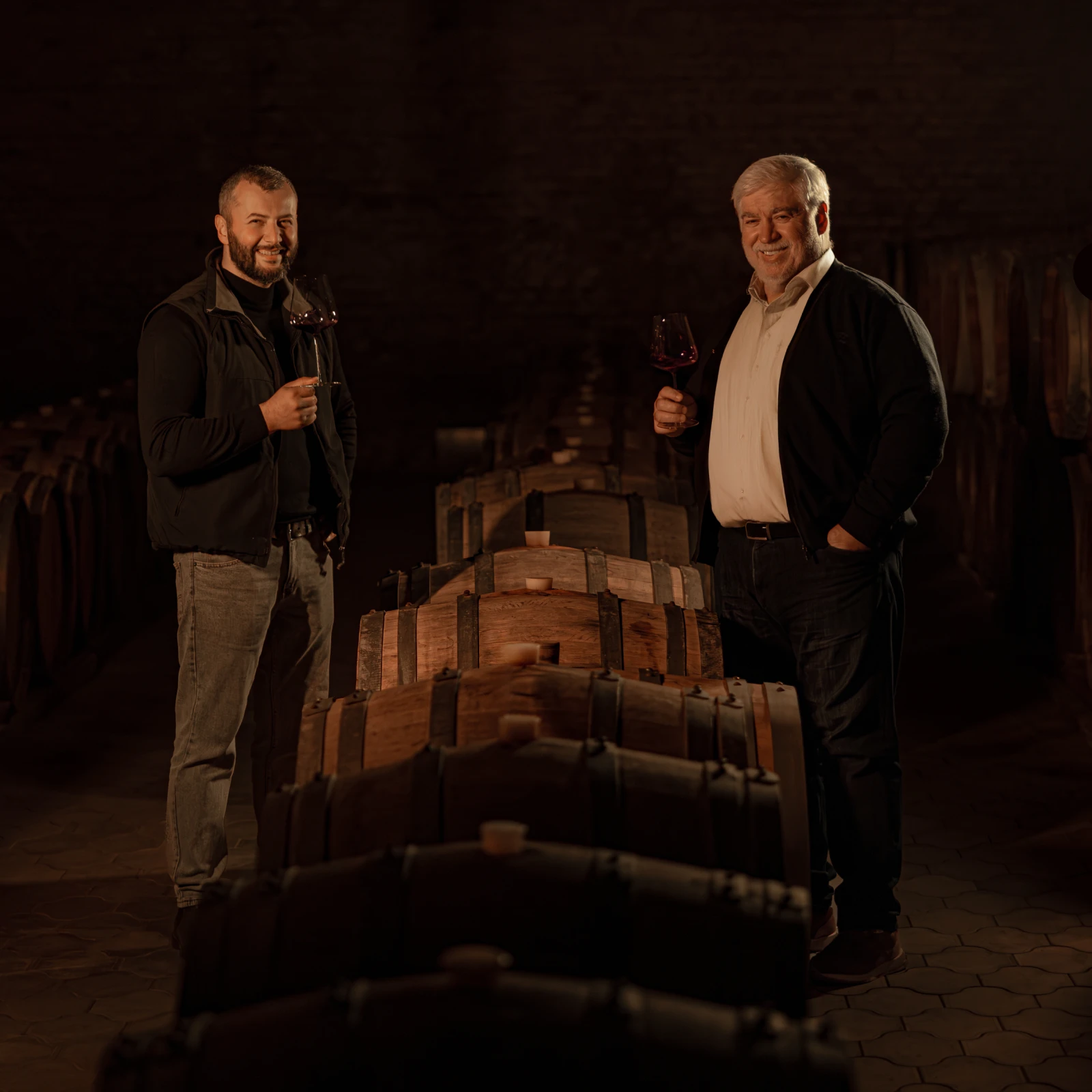
Mukuzani is aged in oak barrels for three years and eight months. Only older barrels are used, preventing excessive oak influence and maintaining balance. This aging method provides structure, depth, and complexity, in line with the traditional Mukuzani winemaking style.
Before leaving the cellar, wines spend at least six months aging in bottles — an essential initial period allowing stabilization after bottling and softening of flavor. Over time, the wine continues evolving, acquiring greater depth of flavor and aroma.
Timeline 1 Desk
Grapes are harvested early in the morning, before the day’s heat, preserving acidity and freshness. After delivery to the winery, clusters undergo manual sorting, and ripe berries are separated from stems. The grapes are then placed into traditional clay vessels called qvevri, initiating fermentation. 
T002 4x
Fermentation in qvevri lasts between 10 and 14 days. During this period, the juice interacts with the grape skins, gradually revealing the wine’s color, aroma, and flavor structure. Upon completion of fermentation, wines are separated from skins. A portion is transferred to other qvevri for further maturation — these become the future Zegaani wines. The remainder is aged in oak barrels to create Mukuzani-style wines.
T003 2 4x
Mukuzani is aged in oak barrels for three years and eight months. Only older barrels are used, preventing excessive oak influence and maintaining balance. This aging method provides structure, depth, and complexity, in line with the traditional Mukuzani winemaking style.
T004 2 4x
Before leaving the cellar, wines spend at least six months aging in bottles — an essential initial period allowing stabilization after bottling and softening of flavor. Over time, the wine continues evolving, acquiring greater depth of flavor and aroma.
SEPTEMBER
Harvest
QVEVRI
Fermentation
3 YEARS 8 MONTHS
Aging in Oak Barrels

Final Bottle Aging